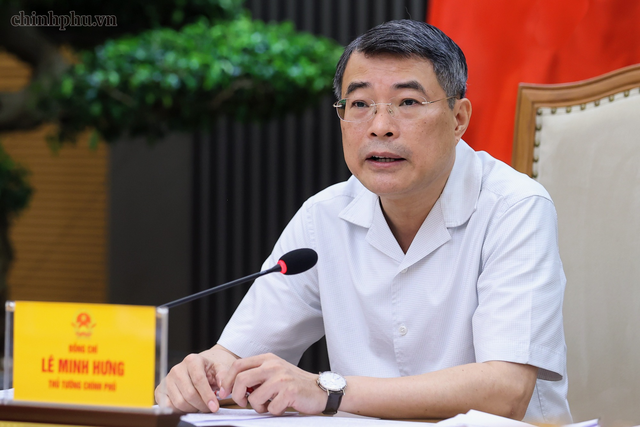
Prime Minister Lê Minh Hưng chaired a high‑level meeting on 11 September with the Ministry of Industry and Trade and other agencies to restructure Vietnam's gasoline and diesel distribution network. He stressed that a reliable energy supply is essential for the country's economic stability and growth, and that the current system suffers from excessive reliance on international markets, frequent supply disruptions and localized shortages.
Structural Flaws
The prime minister identified several structural flaws: an over‑fragmented network of weak intermediaries, limited capacity of primary traders to secure fuel, and a proliferation of middlemen that inflate input costs. He also highlighted illicit practices such as hoarding, speculation, circular trading and smuggling, which have recently been uncovered in the sector.
Reform Measures
To address these issues, the government will revise the draft decree governing fuel business operations. The new regulation aims to create a transparent, competitive market under state oversight, reduce the number of distribution layers, and tighten price‑setting mechanisms. It will also clarify the rights, duties and liabilities of each participant, enforce stricter reporting and price‑disclosure requirements, and curb group‑interest fraud.
Implementation
Deputy Prime Minister Pham Binh Minh has been tasked with overseeing implementation, while the Ministry of Industry and Trade will finalize the decree. Officials say the reform will enhance the system's resilience to global market shocks, ensure continuous fuel availability in all scenarios, and lower production costs, thereby boosting overall economic efficiency. The overhaul is presented as a substantive shift, not merely a renaming of existing structures, with the goal of eliminating unnecessary intermediaries and fostering a fairer, more efficient fuel market.