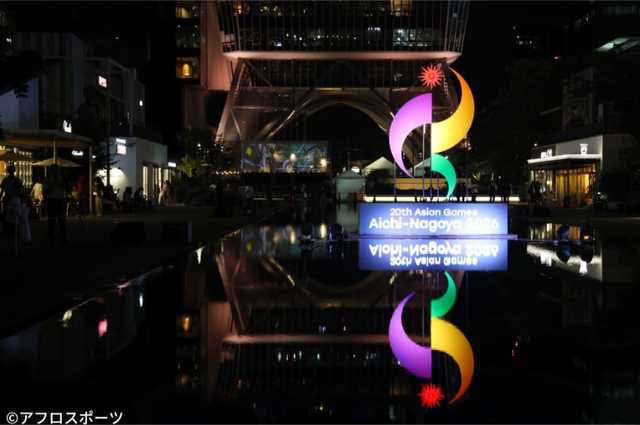
2026 Asian Games (ASIAD 20) will run from 19 September to 4 October across Aichi, Nagoya and surrounding areas, drawing more than 11,000 athletes and about 6,000 officials to compete in 43 sports.
Rather than building a centralized athletes’ village, Japan is repurposing existing hotels, modular housing and, notably, the 114,000‑ton Italian‑flagged cruise liner Costa Serena as a floating accommodation hub. The ship arrived at Nagoya’s Kinjo port on 15 September, four days before the opening ceremony, and will remain berthed until 6 October, providing 22 days of lodging for roughly 4,000 athletes and officials. With 1,500 cabins and a normal capacity of 3,780 passengers, the vessel can host up to 5,000 people during the Games. Nine Vietnamese delegations—including archery, MMA, gymnastics, judo, rowing, sepak takraw, weightlifting, wrestling and wushu—are slated to stay aboard, alongside other Asian teams.
The Japanese organizing committee has allocated about ¥4.49 trillion (≈₫760 trillion) for the cruise‑ship contract and has upgraded venues such as Mizuho Park (track and field, opening/closing ceremonies) and Aichi International Arena (judo). Core IT systems, automated timing, LED and sound installations have undergone multiple checks. Security plans feature comprehensive anti‑terrorism protocols, leveraging the dispersed accommodation model to reduce risk.
Athlete welfare is emphasized: the Garden Pier dining area can serve up to 35 dishes per meal, offering local specialties, international fare, vegetarian and halal options. Vietnam has raised its per‑person daily food allowance to ₫600,000‑800,000, with supplemental vitamins, functional foods and specialized milk as needed. Small welcome kits with toiletries are provided to athletes staying on the cruise ship, which also houses restaurants, recreation spaces and a gym, creating a self‑contained environment for interaction and cultural exchange.